Full Spectrum, Broad Spectrum & Cannabinoid Isolates
Whole plant cannabis extracts contain the “full-spectrum” or “broad-spectrum” range of cannabinoids, terpenes and other beneficial plant materials. An isolate, however, contains a single purified cannabinoid.
Full Spectrum
Full-spectrum cannabis extract contains all cannabinoids naturally present in the plant, together with terpenes and other compounds that contribute to the entourage effect.
Broad Spectrum
Broad-spectrum extracts contain multiple cannabinoids and beneficial compounds, while selected elements are removed to create a balanced therapeutic profile.
Cannabinoid Isolates
Isolates contain one purified cannabinoid only, either naturally extracted or laboratory refined, allowing for highly targeted applications.
The Difference Between
Full Spectrum, Broad Spectrum & Cannabinoid Isolates
Whole plant cannabis extracts contain the ‘full-spectrum’ or a ‘broad-spectrum’ range of cannabinoids and other plant materials. On the other hand, an isolate contains a single isolated cannabinoid.
‘Full-spectrum’ cannabis extract will contain all the cannabinoids from that plant, as well as other compounds such as terpenes.
‘Broad-spectrum’ cannabis extract will not contain the full range of compounds. Instead, certain compounds are removed from the extract to create the ideal balance or mixture – this is done in a strictly regulated manner and environment.
Isolates will only contain one specific cannabinoid, which can be either naturally extracted from the plant or synthetically manufactured in a laboratory.
These various forms of cannabis product will allow for differing physiological actions in the body and provide numerous therapeutic applications.
However, they may also differ in the way they interact with other medications.
Medicinal cannabis is derived from the cannabis plant, with its various components and cannabinoids being used in medical therapy to alleviate numerous symptoms.
Properties & FAQ
Cannabis Medicine
Medicinal cannabis consists of strains specifically chosen and developed to create desirable medical properties and therapeutic applications.
Cannabis Safe
Cannabis is safe to consume with the right guidance, education and responsible understanding.
What is THC and CBD?
Researchers have identified hundreds of active ingredients in cannabis, but the two primary phytocannabinoids are Delta-9-Tetrahydrocannabinol (THC) and Cannabidiol (CBD).
THC is psychoactive and responsible for the “high” sensation, while CBD is non-psychoactive and widely used for wellness and therapeutic support.
The entourage effect refers to the enhanced effectiveness of cannabinoids when combined with other naturally occurring compounds in the cannabis plant.
Is Cannabis Legal?
Medicinal cannabis is legal in South Africa under regulated medical and private-use frameworks.
Patients may access medicinal cannabis through approved medical channels and relevant regulatory processes governed by SAHPRA.
Medical
PROPERTIES & FAQ
CANNABIS MEDICINE
Medicinal cannabis consists of strains specifically chosen and developed to create certain desirable medical properties.
CANNABIS SAFE
Cannabis is safe to consume with the right guidance and understanding.
What is THC and CBD?
Researchers have identified hundreds of active ingredients in cannabis, but the two main ones are the phytocannabinoids Delta-9-Tetrahydrocannabinol (THC) and Cannabidiol (CBD).
THC is psychoactive, meaning it is responsible for the “high” feeling, whereas CBD is non-psychoactive and therefore does not provide a “high” feeling. Both have their unique characteristics and applications, and can be beneficial when used in combination.
The entourage effect refers to the enhanced effectiveness of CBD and THC when taken with these other naturally occurring active ingredients.
IS CANNABIS LEGAL
Medicinal cannabis is legal in South Africa.
However, you can only obtain medicinal cannabis via a Section 21 application to the South African Health Products Regulatory Authority (SAHPRA).
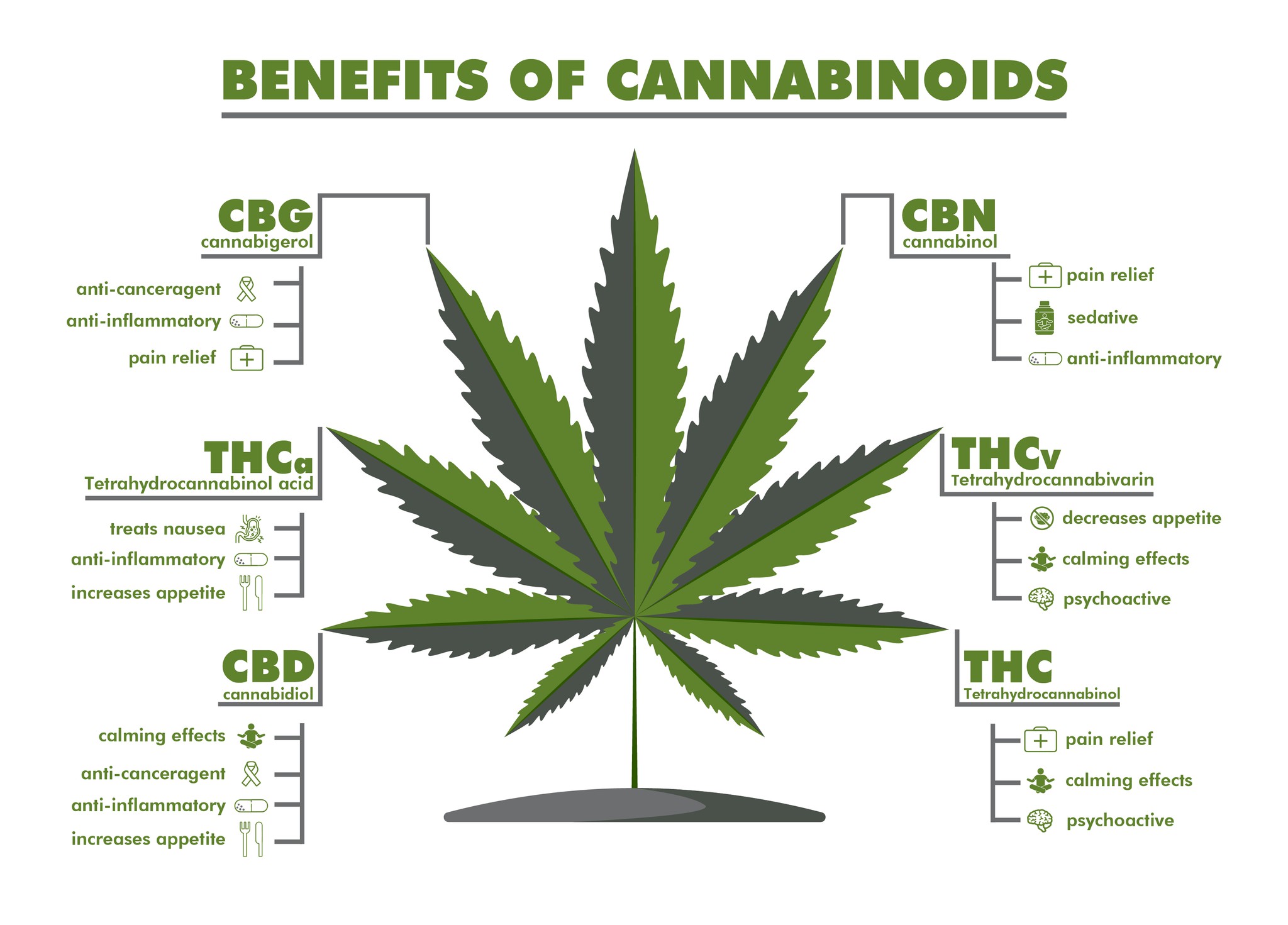
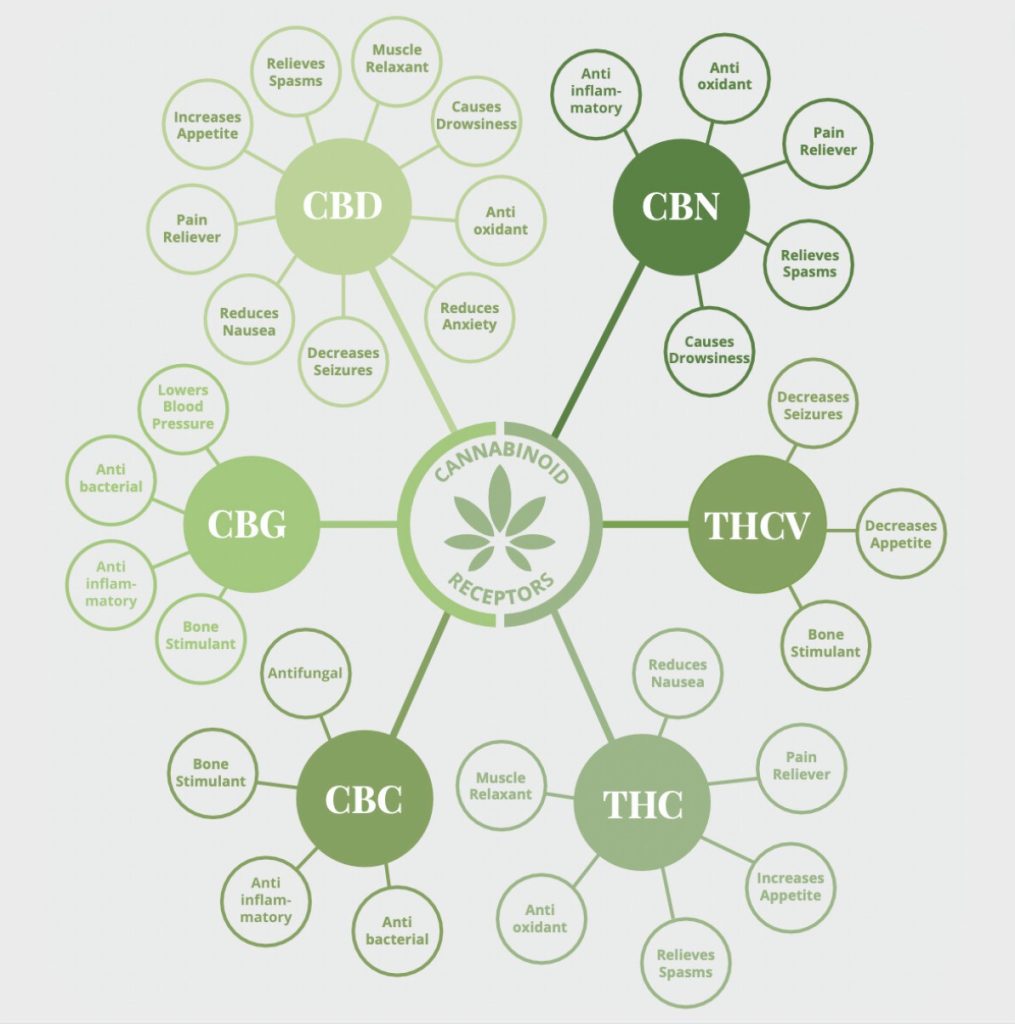
BENEFITS OF CANNABINOIDS
Different cannabinoids interact with the body in unique ways,offering a variety of wellness and therapeutic benefits.
METHODS OF ADMINISTRATION
Ingestion
Ingestion refers to eating or drinking cannabis infused products such as edibles, oils and beverages. Effects take longer to begin because cannabis passes through the digestive system first. Effects usually begin within 60–90 minutes and can last for many hours, making this method ideal for long-lasting wellness support and relaxation.
Inhalation
Inhalation includes smoking or vaporising cannabis flower or extracts. This method provides the fastest onset of effects, usually within minutes. Vaporising is often preferred because it produces a cleaner inhalation experience compared to combustion. Effects generally last between 1–2 hours.
Topicals
Topical cannabis products such as creams, balms and oils are applied directly to the skin. These products are commonly used for targeted relief without producing intoxicating effects. Topicals are popular for muscle recovery, inflammation, skincare and wellness support.
Sublingual
Sublingual products are placed under the tongue where cannabinoids absorb through the mucous membranes. This method provides quicker absorption than edibles while still offering extended effects. Tinctures and oils commonly begin working within 30–45 minutes and may last between 4–6 hours.
Understanding Cannabis Terpenes
Terpenes are aromatic compounds naturally found in cannabis and many other plants. They contribute to flavour, aroma and may influence different wellness experiences.
Bisabolol
FloralProperties
- Anti-inflammatory
- Anti-irritant
- Anti-microbial
Common Uses
Cancer support, skin wellness
Caryophyllene
SpicyProperties
- Anti-bacterial
- Anti-inflammatory
- Anti-fungal
Common Uses
Insomnia, muscle spasms
Eucalyptol
MintProperties
- Anti-bacterial
- Anti-fungal
Common Uses
Alzheimer’s, pain relief
Humulene
EarthyProperties
- Anti-bacterial
- Anti-inflammatory
Common Uses
Cancer, appetite suppression
Linalool
FloralProperties
- Anti-anxiety
- Anti-epileptic
Common Uses
Depression, insomnia
Myrcene
Citrus & ClovesProperties
- Relaxing
- Sedating
Common Uses
Inflammation, insomnia
Pinene
PineProperties
- Anti-depressant
- Anti-inflammatory
Common Uses
Asthma, memory
Valencene
Sweet CitrusProperties
- Anti-inflammatory
- Anti-allergenic
Common Uses
Memory, skin lesion
Geraniol
Peach & RoseProperties
- Anti-oxidant
- Neuroprotectant
Common Uses
Cancer, pain relief
Limonene
Bitter CitrusProperties
- Anti-anxiety
- Anti-cancer
- Digestion support
Common Uses
Liver detoxification, weight loss
Borneol
MintProperties
- Anti-inflammatory
- Antinociceptive
Common Uses
Eyesight, pain relief
Camphene
Fir Needles & MuskProperties
- Anti-oxidant
- Skin support
Common Uses
Cardiovascular wellness
Delta 3 Carene
Pine & RosemaryProperties
- Anti-inflammatory
- Bone stimulant
Common Uses
Memory support
Phytol
Floral & BalsamicProperties
- Anti-insomnia
- Immunity support
Common Uses
Reduced itching, sleep aid
Terpinolene
Smoky & WoodyProperties
- Anti-bacterial
- Anti-fungal
- Anti-insomnia
Common Uses
Heart disease, sleep aid
Trans-Nerolidol
Citrus & RoseProperties
- Anti-cancer
- Anti-microbial
- Anti-oxidant
Common Uses
Relaxing, skin wellness